Navigating the archives of classic literature can feel like an impossible assignment. We’ve bypassed the dense, intimidating, thousand-page Victorian doorstops to bring you a heavily vetted list of accessible, fast-paced masterpieces. Consider this your introductory briefing to the classics.
It is completely normal to feel intimidated by older literature—many classics are bogged down by archaic language and glacial pacing. To build this beginner’s dossier, we filtered the archives based on three strict criteria: brevity, narrative momentum, and accessibility. These six books feature clear prose, high-stakes plots, and cultural relevance that still holds up today. They are the perfect entry points to build your reading confidence.

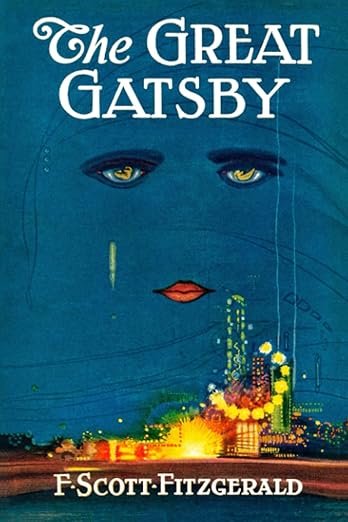
The Great Gatsby
F. Scott Fitzgerald
Set in the roaring 1920s, this story follows the mysterious millionaire Jay Gatsby and his obsessive pursuit of the beautiful, married Daisy Buchanan. Narrated by Gatsby's neighbor, Nick Carraway, it is a tragic exploration of wealth, love, and the illusion of the American Dream.
Fitzgerald’s prose is beautifully poetic yet incredibly readable for modern audiences. The book is short, the drama is highly engaging, and you will finally understand decades of pop culture references.
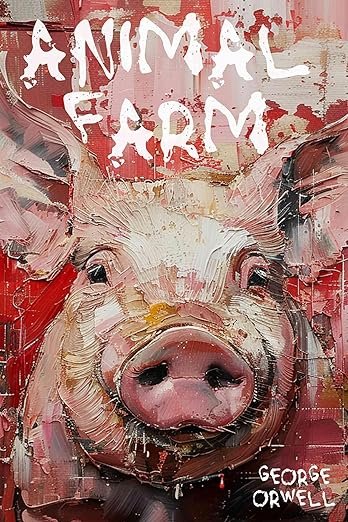
Animal Farm
George Orwell
A group of mistreated farm animals overthrows their human master to create a utopian society of equality. However, as the pigs seize power, the new regime slowly becomes just as oppressive and corrupt as the one they replaced.
At just over 100 pages, this satirical novella reads like a modern thriller. Its allegorical breakdown of political corruption is simple to digest, making it one of the most accessible and thought-provoking entry points into classic fiction.

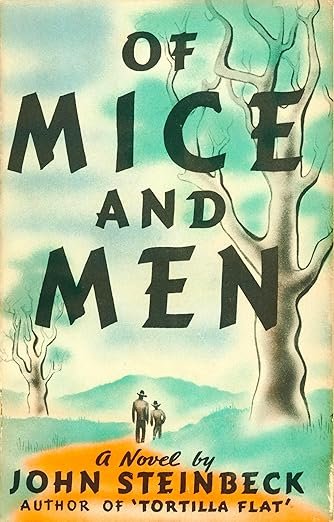
Of Mice and Men
John Steinbeck
Two migrant ranch workers—the sharp-witted George and the gentle, strong, but mentally disabled Lennie—travel through California during the Great Depression hoping to one day own their own piece of land. Their dreams are tragically derailed as they struggle to survive in a harsh, unforgiving world.
Steinbeck’s straightforward, no-nonsense writing style is incredibly easy to follow. It delivers an emotional gut-punch in an incredibly short timeframe, proving that older books can still make you feel deeply.

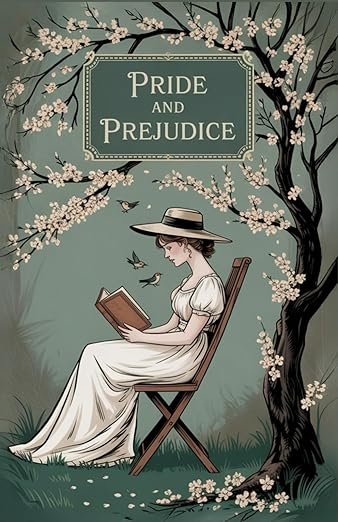
Pride and Prejudice
Jane Austen
The spirited and fiercely independent Elizabeth Bennet navigates the societal pressures of marriage and class in 19th-century England. Her world is turned upside down when she meets the wealthy but seemingly arrogant Mr. Darcy, leading to a battle of wits and first impressions.
While the language is slightly more formal, Austen’s razor-sharp wit and sarcasm read remarkably like a modern romantic comedy. It is a highly entertaining character study that proves the classics can actually be fun.

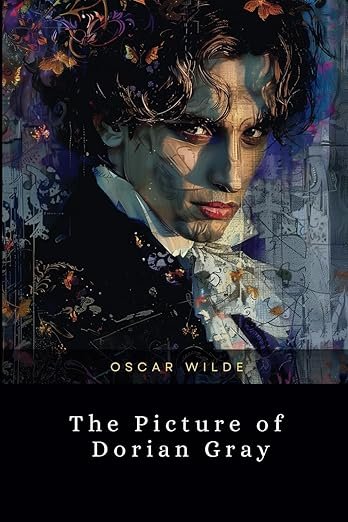
The Picture of Dorian Gray
Oscar Wilde
A handsome young man in Victorian London makes a dark, Faustian bargain: his painted portrait will age and bear the scars of his sins, while he remains eternally young and beautiful. As he descends into a life of hedonism and cruelty, the hidden painting becomes a horrifying reflection of his rotting soul.
Wilde’s writing is loaded with brilliant, highly quotable dialogue and dark philosophy. The supernatural thriller elements keep the plot moving quickly, making it a highly addictive read.

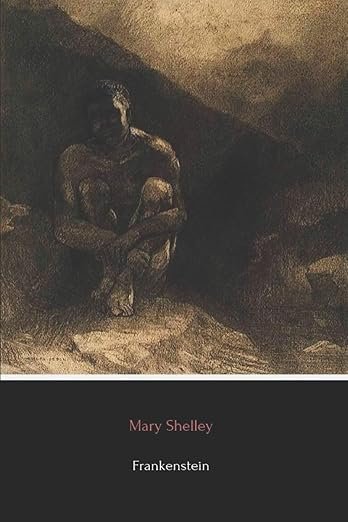
Frankenstein
Mary Shelley
Driven by a dangerous obsession with the secrets of life and death, young scientist Victor Frankenstein manages to bring a stitched-together creature to life. Horrified by his own creation, he abandons it, sending the deeply lonely and misunderstood monster on a vengeful path of destruction.
Forget the green movie monster you think you know; the actual novel is a beautifully written, psychological deep dive into humanity and abandonment. It is the founding text of science fiction and a surprisingly emotional page-turner.
Not sure which file to open first? Follow one of these tactical reading paths:
Route Alpha (The Quick Wins): Start with Animal Farm, then move to Of Mice and Men. Both are incredibly short, highly impactful, and will give you a fast sense of accomplishment.
Route Bravo (High-Society Secrets): Start with The Great Gatsby, then tackle Pride and Prejudice. Perfect for those who love character drama, witty banter, and dissecting social classes.
Route Charlie (Dark Psychology): Start with The Picture of Dorian Gray, then investigate Frankenstein. Ideal for readers who prefer dark themes, moral ambiguity, and thriller elements.
Skip the Introductions: Academic introductions are notorious for spoiling the entire plot before you even hit chapter one. Save them for the debrief after you finish the book.
Context is King: You will encounter outdated words. Don't stop to look up every single one in a dictionary, as it breaks your momentum. Use the context of the sentence to guess the meaning and keep moving.
Use Audio Surveillance: If a book feels dense, try listening to the audiobook while following along with a physical copy. A good narrator can make older dialogue feel entirely natural.
Are classic books always hard to read? Not at all. While some classics are intentionally dense or use archaic structures, many were written to be mass-market entertainment for the everyday public of their time. The books on this list were chosen specifically because their language remains accessible today.
Do I have to read classic books in chronological order? Absolutely not. You can jump from a 1920s American tragedy straight into a 1818 British sci-fi horror. Follow your interests, not a timeline.
What if I start a classic and I hate it? Close the file and move on. Just because a book is a "classic" doesn't mean it will resonate with you. We recommend the 50-page rule: if you aren't invested by page 50, drop the case and pick up a different book.
Related Case Files